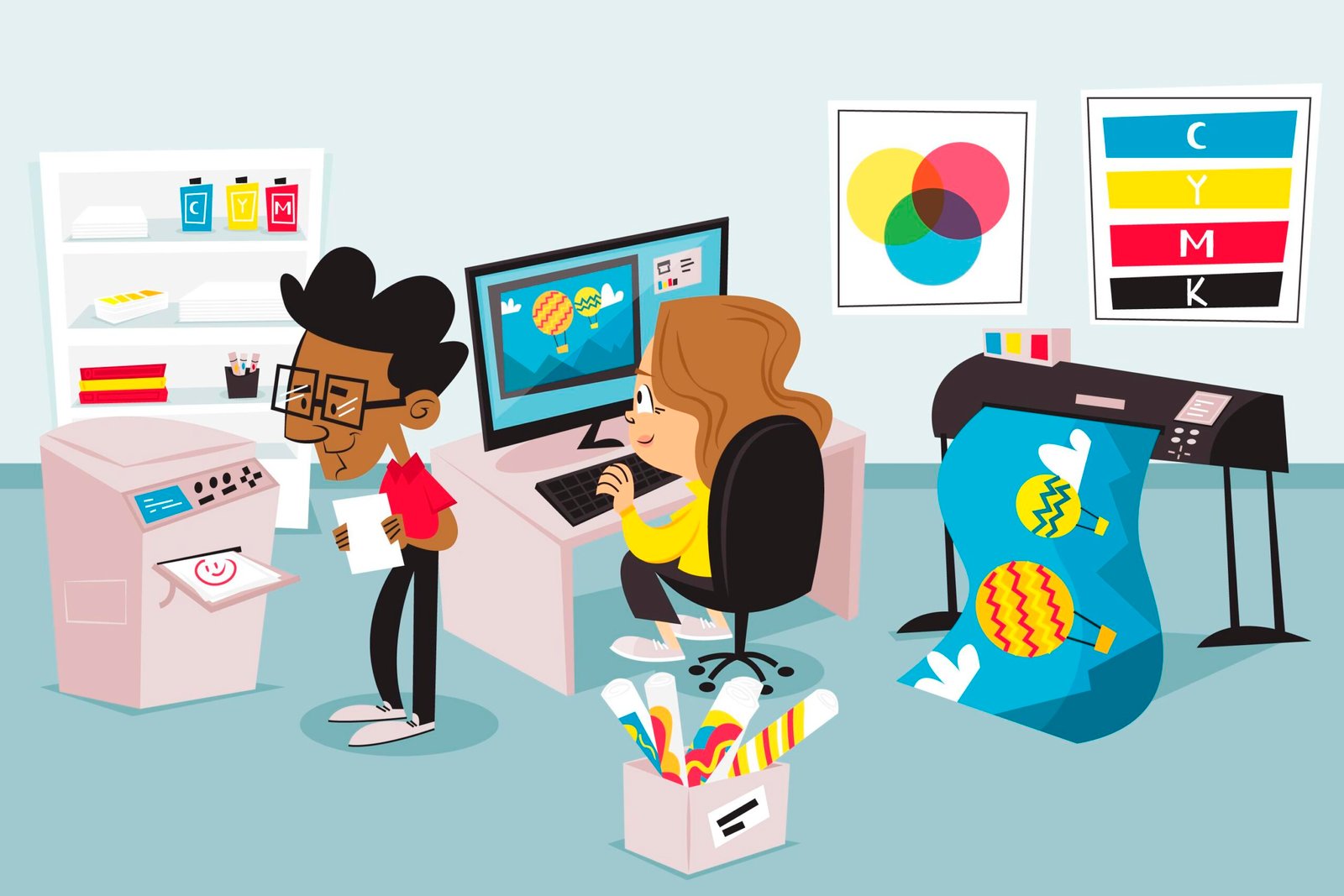
In today’s hyper-connected world, digital media dominates nearly every industry. Businesses invest heavily in websites, social media campaigns, and email marketing. Yet, despite the rapid shift toward digital, quality printing still plays a critical role in communication, branding, and customer engagement. From business cards and brochures to packaging and catalogs, print remains a powerful tool that digital platforms alone cannot replace. This blog explores why printing is still essential and how companies can benefit from investing in quality printed materials.
1. Print Creates a Tangible Connection
Digital ads can easily be scrolled past or deleted with a click, but a printed brochure, book, or flyer leaves a lasting impression. Physical items engage multiple senses—touch, sight, and sometimes even smell (freshly printed materials have a distinctive scent). This sensory interaction creates a deeper memory connection compared to digital impressions.
2. Trust and Credibility
Studies consistently show that consumers trust printed materials more than digital ads. A well-designed catalog or professionally printed business card conveys credibility and professionalism. In industries like finance, healthcare, or luxury products, printed media adds authenticity that builds customer trust.
3. Print Enhances Brand Identity
Printed marketing materials reflect your brand’s attention to detail. The choice of paper, finish (like matt lamination, spot UV, or foil stamping), and design quality speaks volumes about how a company values its image. When businesses use high-quality printing, they position themselves as premium and trustworthy.
4. Longer Lifespan than Digital
Digital ads disappear in seconds. A printed magazine or brochure can last weeks, months, or even years in an office, reception area, or home. That means your message continues to promote your brand long after the first impression.
5. Complements Digital Marketing
Print and digital are not rivals—they’re allies. For example, QR codes on brochures link offline materials to digital platforms, creating a seamless brand experience. This integrated approach ensures maximum reach and engagement.
6. Targeted Reach with Personalization
With advances in printing technology, businesses can now personalize printed items (like direct mail or event invitations) based on customer data. This targeted approach results in higher engagement compared to generic online ads.
7. Printing for Events and Networking
When meeting clients or attending trade shows, nothing replaces the value of handing out a professional business card or a printed portfolio. It’s a simple yet powerful way to make a personal impression.
8. Case Study: Luxury Brands & Print
Luxury brands like Rolex, Chanel, and Louis Vuitton still heavily invest in high-quality printed catalogs and magazines. They know that print equals prestige, and customers expect tactile experiences in addition to digital.
Conclusion
Even in the digital era, quality printing continues to be a vital part of branding, communication, and marketing strategies. Businesses that combine digital innovation with high-end printing will build stronger connections with their audience and stand out in competitive markets.